Passages gives itself a familiar hurdle: it centers on a scoundrel.
Lots of films are about bad people, and while it’s understandable to rue being stuck in a room with them, their existence (and often popularity) brings up a plethora of questions. I mean, why do people love them? The answer is different for every scoundrel, but Passages makes a potent observation about a particular kind of toxic pull.
If you’ve heard anything about Passages, it’s that it got hit with the dreaded NC-17 rating by the MPA. The rating itself would be a joke (oh no, no one under 17 is allowed! Adults don’t see movies!) except the rating has historically led to a de facto ban by major cinema chains. Now, with most people streaming movies in their homes, even that has lost its censoring power.
The film’s distributor, Mubi, chose to release the film as unrated, so the news is less about the rating than why it got the rating. With American cinema hitting a sexless climax, this French film has several frank sex scenes. To claim the content is particularly shocking or “adult” (outside of being sex scenes) is ludicrous. There’s gay sex. There’s a woman experiencing pleasure. If anyone is scandalized by this in 2023, you’re boring. But the MPA has a long history of hitting both with stringent ratings, and to see it happen again is tiresome.
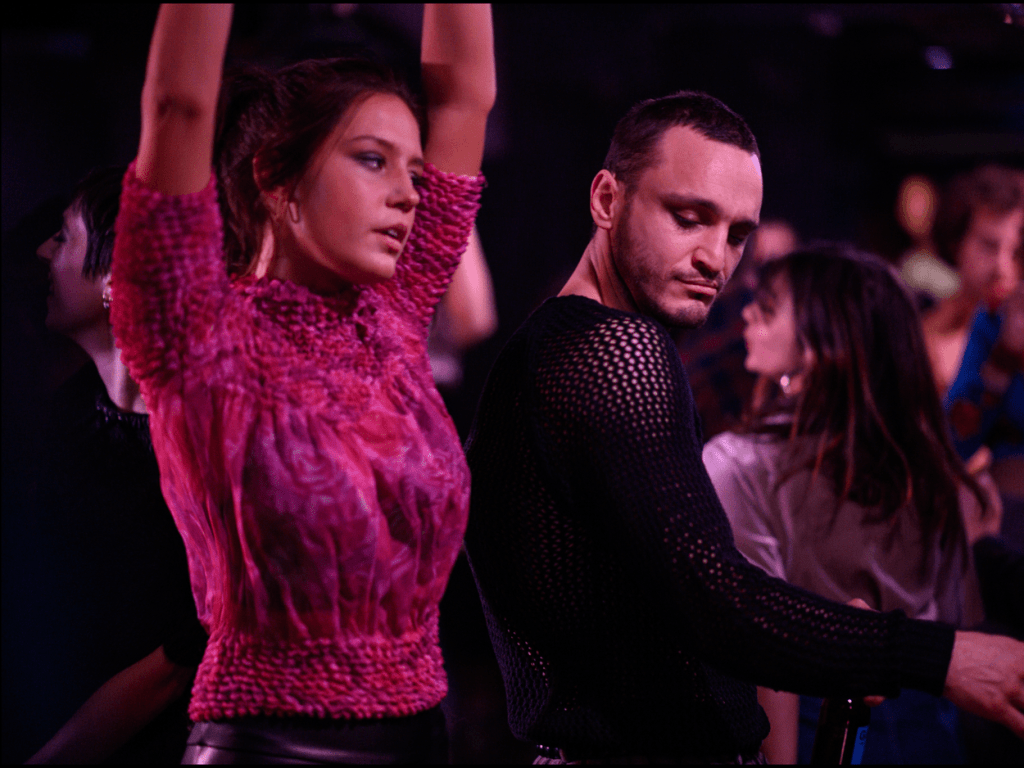
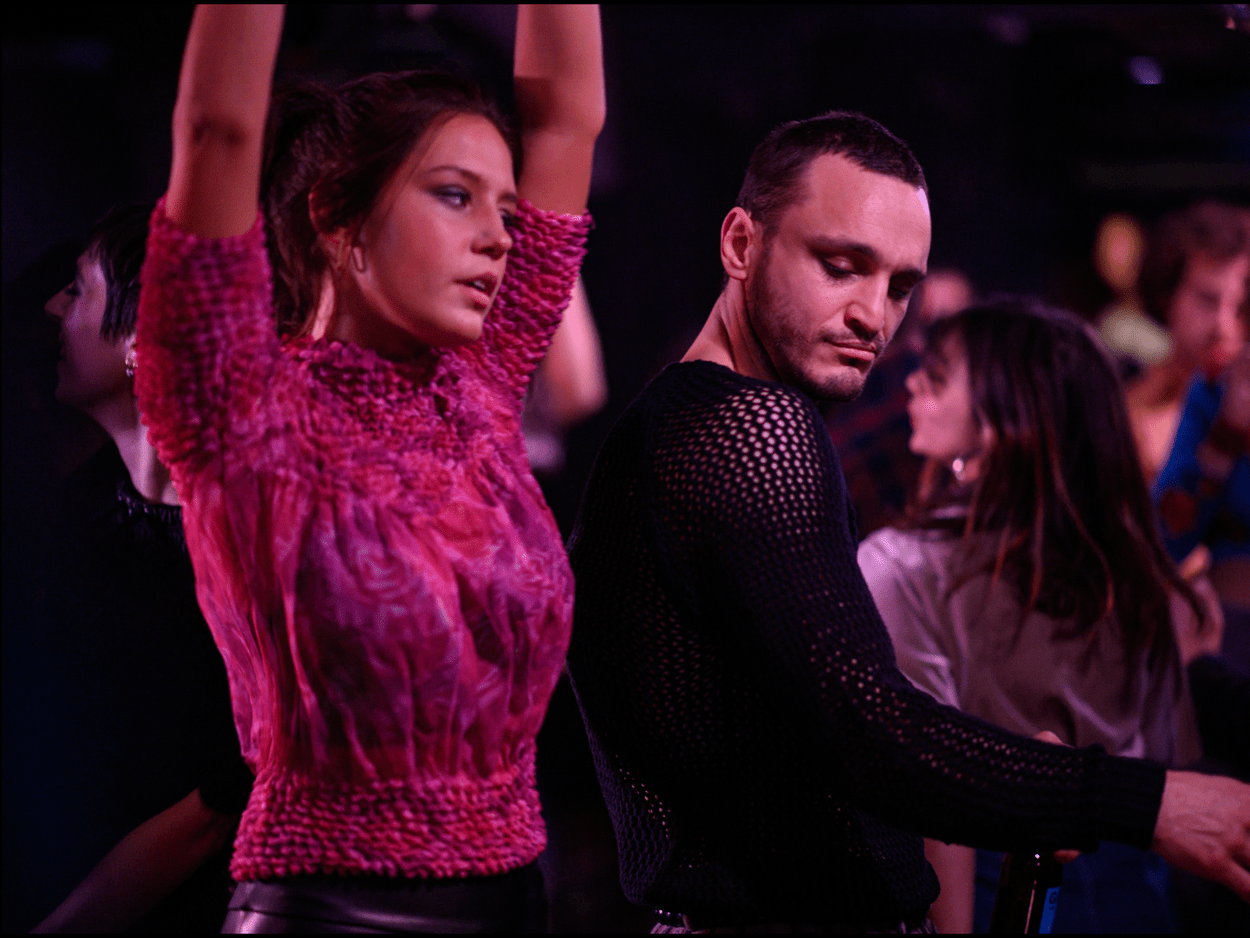
The fact is, Passages is a film for adults because of its subject, not its content. Its central scoundrel, Tomas (Franz Rogowski), is unlikely to spark interest unless you’ve built up the life experience to know how seductive he is. His awfulness is on display in the first scene, where as a film director he berates his cast and crew without regard for their feelings. He never wavers from this indifference, even as he falls for a woman, Agathe (Adèle Exarchopoulos) and disrupts his marriage to Martin (Ben Whishaw). Both Agathe and Martin call him on his disregard, yet both fall for his charms.
This is where the sex comes in. A film doesn’t have to justify its sex scenes, as long as they are filmed in a responsible and safe way, but Passages does have good reason for them. The film is an examination of passion as seduction and how even seasoned adults fall prey to it. Tomas is a passionate man. He is not a loving man. Sex with him seems great, but it only comes when his wandering passion falls on you. As said in Ladybird, love and attention are the same thing. Tomas, even when passionate about you, isn’t paying attention to you.
This comes across through sex, yes, but also in the disconnect between him and everyone around him. It’s an odd sensation, watching this film, because it largely exists in this disconnect. We follow Tomas as he works on his film, starts an extra-marital relationship (which seems to be ok with Martin as long as it stays within reason), purposefully sabotages his marriage, gets Agathe pregnant, and so on and so on without any sense of Tomas truly caring. Many of the plot developments here feel almost mechanical, the antithesis of the depth of feeling most films aim for. It’s not until late, when Martin and Agathe meet alone, do we get a scene of real feeling. They are gentle with each other despite their complicated history, and we finally see that Passages is capable of humane interaction. It was being withheld, purposefully, because despite Tomas’ age he has yet to grasp the world outside himself and behave accordingly.
That’s the kind of scoundrel he is. A young person, or the rare adult who hasn’t come into such a person’s orbit, may write off a feature-length examination of his seductive qualities as a waste of time. His awfulness is not hard to see, and yet so many of us fall for it.
It being passion. Even when we know it’s flimsy it’s intoxicating, to be the center of such a strong feeling. Someone turning that amount of energy towards you is rare, and many well-adjusted, intelligent adults have chased it despite its unsustainability.
American film is sexless, yes, but it’s also sorely lacking in adult follies like this. Passages is a smart examination of a very adult situation, its only flaw being its slightly misguided focus. It remains with Tomas to the bitter end, when a brave film would’ve pivoted to Agathe and Martin. One needs to be with Tomas early on to understand the seduction. But it’s Agathe and Martin who hold the tragedy. They just need to extricate themselves from Tomas’ spell to have stable lives. Tomas? He can change, but that’s a much longer road than this film touches upon. For its scope, Agathe and Martin are the ones capable of a satisfying ending. But then again, adults understand that life isn’t made up of satisfying stories.
Release: available now in theaters
Director: Ira Sachs
Writers: Ira Sachs, Mauricio Zacharias
Cast: Franz Rogowski, Ben Whishaw, Adèle Exarchopoulos




 Alex Wheeler Movie Ops
Leave a comment